We do mostly commercial murals; businesses, schools, retail spaces. But every so often someone asks if we do residential murals. The answer is yes, but with a caveat: a mural in your home is a different conversation than a mural on a storefront.
A business mural is about visibility, brand, foot traffic. A home mural is about what you want to look at every day, what your kids will grow up with, what guests will see when they walk in.
So before you commit to painting a wall you'll be living with for the next decade, here's what's worth thinking about.
Where Home Murals Work
Kids' rooms are the obvious one. A jungle scene, a mountain range, something from a favorite book transforms the space and kids love it. They'll outgrow it eventually, but that's fine. Paint can be painted over.
Accent walls in living spaces can work if you're going for something subtle. Abstract shapes, a muted landscape, something that feels like art rather than decoration. The key is restraint. You're not trying to make a statement every time you walk into the room. You're trying to make the room feel like yours.
Outdoor spaces like patios, pool areas, garage doors are underrated. You've got more freedom outside. Bolder colors, bigger scale, less pressure.
And if you get tired of it, it's not staring at you from across the living room.
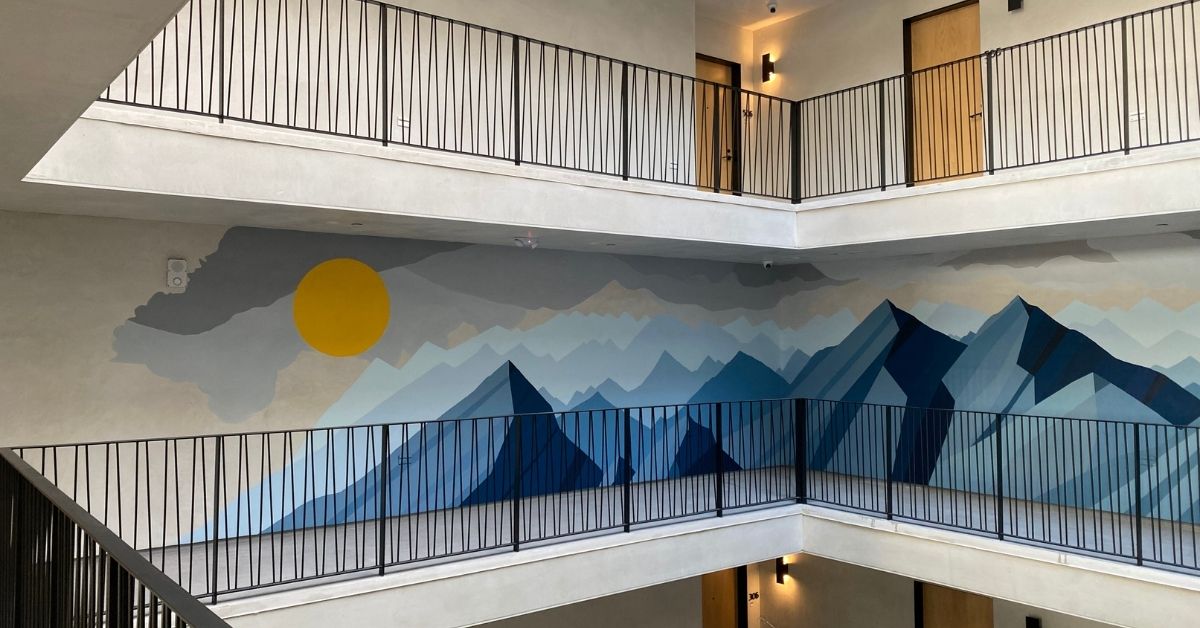
Where It Gets Tricky
Resale is the elephant in the room. A mural that feels perfect to you might feel like a problem to a buyer. That doesn't mean you shouldn't do it, your home is yours, but it's worth being honest about. If this is your forever home, do what you want.
Trend fatigue is real. That geometric pattern that feels fresh right now might feel dated in five years. Landscapes, abstracts, and naturalistic stuff tends to age better than anything too tied to a specific moment. Think about what you loved ten years ago and whether you'd still want it on your wall.
And then there's the commitment factor. A mural isn't a poster you can take down. It's there until you paint over it. Some people love that permanence. Others realize six months in that they should have gone with wallpaper.

How It's Different From Commercial Work
Commercial murals have a job to do: grab attention, communicate a brand, draw people in. Home murals don't have to perform. They just have to feel right.
That makes the process more personal and sometimes slower. There's more back-and-forth about what you actually want versus what you think you should want. We're working around your furniture, your life, your schedule. It's a different energy.
Scale is usually smaller, which means more detail is possible. But it also means every brushstroke is closer to eye level. Commercial work can be a little rougher because you're viewing it from across a parking lot. In your hallway, you're seeing it up close every day.
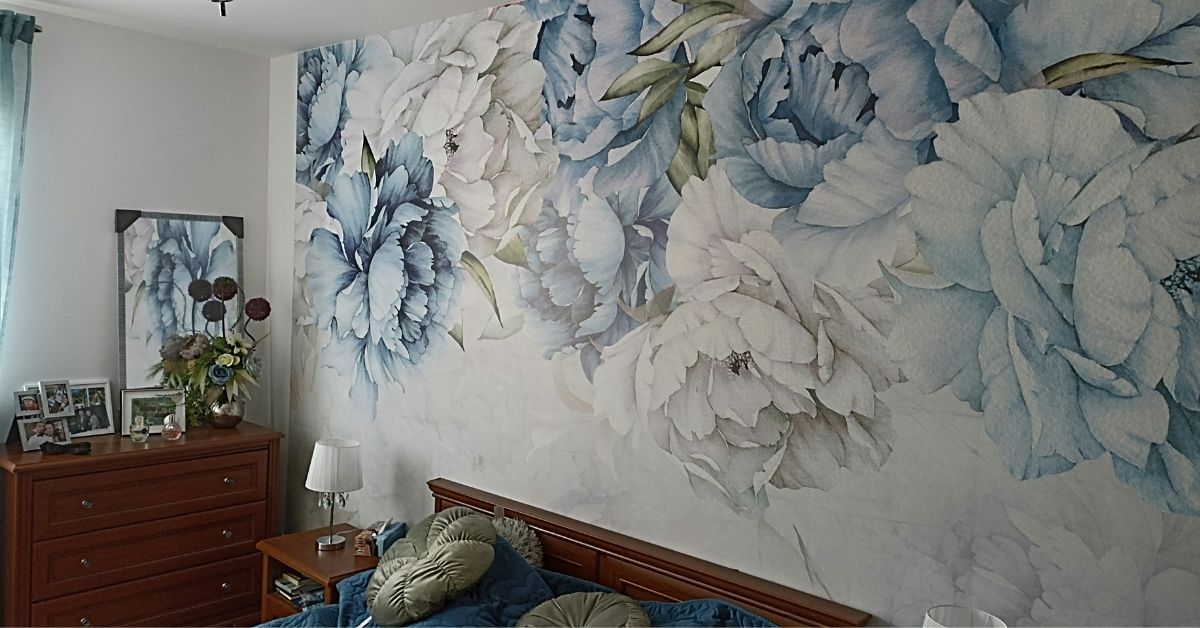
Some Questions to Ask Yourself
Will I still like this in five years? If you're not sure, go simpler. You can always add, but painting over feels like defeat.
Is this for me or for other people? If you're doing it because you think guests will be impressed, that's the wrong reason. Do it because you want to live with it.
Can I commit to this wall? Some walls are better candidates than others. A hallway you pass through is lower stakes than the first thing you see when you wake up.
A mural in your home isn't for everyone. But when it's right, it's really right. It turns a room into something that's yours in a way paint swatches and furniture never quite do.
Ready to chat about your residential mural project with professionals who understand the difference? Get in touch for a consultation.


